

Introduction:
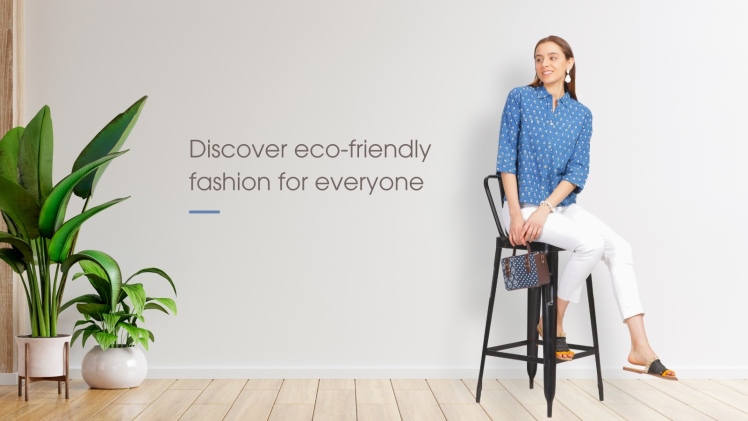
In a world grappling with environmental challenges, the fashion industry is undergoing a transformative shift towards sustainability. The traditional model of fast fashion, characterized by rapid production cycles and disposable trends, is giving way to a more conscientious and eco-friendly approach. This article explores the burgeoning movement of sustainable fashion, examining its significance, challenges, and the innovative solutions that are shaping the future of how we dress.
The Environmental Toll of Fast Fashion:
Fast fashion, once celebrated for its ability to swiftly turn runway trends into affordable garments, has come under scrutiny for its environmental impact. The industry’s reliance on cheap labor, resource-intensive production methods, and the proliferation of synthetic materials contribute to pollution, deforestation, and excessive waste. The “buy-wear-discard” mentality perpetuated by fast fashion has created a throwaway culture that strains the planet’s resources and exacerbates environmental degradation.
The Rise of Sustainable Fashion:
As awareness of the environmental consequences of fast fashion grows, consumers, designers, and industry stakeholders are driving a paradigm shift towards sustainability. Sustainable fashion encompasses a range of practices, from eco-friendly materials and ethical production processes to circular fashion concepts that promote reuse and recycling. This movement seeks to minimize the negative impact of fashion on the environment and foster a more responsible and mindful approach to clothing consumption.
Eco-Friendly Materials:
One of the cornerstones of sustainable fashion is the use of eco-friendly materials. Traditional fabrics like cotton, notorious for their water-intensive cultivation, are being replaced by organic cotton and other sustainable alternatives. Additionally, innovative materials such as Tencel (made from wood pulp) and recycled polyester offer environmentally friendly alternatives without compromising on style and comfort. The adoption of these materials reduces the ecological footprint of fashion products, making them a preferred choice for eco-conscious consumers.
Ethical Production Practices:
Sustainable fashion extends beyond materials to encompass ethical production practices. Many sustainable brands prioritize fair labor practices, ensuring that workers are treated with dignity and paid fair wages. This commitment to ethical manufacturing aligns with the principles of social responsibility, creating a more equitable and humane fashion industry. Certification programs like Fair Trade and initiatives promoting transparency in the supply chain play a crucial role in validating and promoting ethical practices within the industry.
Circular Fashion and the Second-Hand Market:
Circular fashion, a concept rooted in the idea of minimizing waste and extending the lifespan of clothing, has gained traction in the sustainable fashion movement. Thrift stores, vintage boutiques, and online platforms for second-hand shopping have become key players in this shift towards a circular economy. Embracing pre-owned fashion not only reduces the demand for new production but also allows individuals to express their style in an eco-friendly manner.
Fashion as an Agent of Social Change:
Sustainable fashion is not only about ecological considerations; it is also a powerful tool for social change. The movement advocates for inclusivity, diversity, and empowerment. Sustainable brands often prioritize local artisans and communities, preserving traditional craftsmanship and supporting economic development. Moreover, the focus on longevity and timeless design challenges the fleeting nature of fast fashion trends, encouraging consumers to invest in quality pieces that transcend seasonal fads.
Challenges in the Transition to Sustainability:
While the momentum towards sustainable fashion is encouraging, the industry faces several challenges in making this shift on a global scale. One major obstacle is the perception that sustainable fashion is expensive and exclusive. Breaking this stereotype is essential to make eco-friendly options accessible to a broader audience. Additionally, the lack of standardized definitions for terms like “sustainable” and “ethical” can lead to greenwashing, where brands falsely claim to be environmentally friendly. Establishing clear industry standards and certifications is crucial to building consumer trust and ensuring genuine sustainability.
Educating Consumers:
For sustainable fashion to become mainstream, consumer awareness and education are paramount. Many consumers are still unaware of the environmental impact of their clothing choices and may be unfamiliar with sustainable alternatives. Educational initiatives, both within the industry and in public spaces, are essential to inform consumers about the importance of sustainable fashion and guide them in making conscious choices.
Technology and Innovation in Sustainable Fashion:
Technology plays a pivotal role in advancing sustainability within the fashion industry. From the development of eco-friendly fabrics using advanced materials science to the use of blockchain technology for transparent supply chains, innovations are driving positive change. 3D printing and digital design tools are also contributing to reducing waste by enabling more precise and efficient production processes. As technology continues to evolve, it provides new avenues for the fashion industry to become more sustainable and environmentally conscious.
Collaboration and Industry Initiatives:
The transition to sustainable fashion requires collaboration across the industry. Many fashion brands, both established and emerging, are joining forces to create initiatives that promote sustainability. Collaborative efforts involve sharing best practices, supporting research and development of eco-friendly materials, and collectively addressing challenges such as waste reduction and ethical sourcing. Industry partnerships and alliances amplify the impact of individual brands, fostering a collective commitment to sustainable practices.
The Role of Fashion Influencers and Celebrities:
Influencers and celebrities hold significant sway over consumer trends and preferences. Recognizing this, many are leveraging their platforms to promote sustainable fashion choices. Whether through endorsing eco-friendly brands, advocating for ethical practices, or showcasing their personal commitment to sustainable living, influencers and celebrities play a crucial role in shaping public opinion and steering the fashion industry towards more responsible practices.
The Future of Sustainable Fashion:
The future of fashion lies in the hands of sustainability. As the movement gains momentum, the industry is poised for a paradigm shift that prioritizes environmental responsibility, ethical practices, and social impact. From innovative materials to circular fashion concepts, the sustainable fashion revolution is redefining how we perceive and consume clothing. The continued collaboration of stakeholders, advancements in technology, and the collective commitment of consumers will shape a more sustainable and chic future for the fashion industry.
Conclusion:
“Sustainable Chic: Navigating the Eco-Friendly Revolution in Fashion” reflects not only a trend but a necessary evolution in the fashion industry. As we become increasingly aware of the environmental and social consequences of our choices, the demand for sustainable fashion is set to grow. The movement towards eco-friendly materials, ethical production practices, and circular fashion is not just a passing fad but a fundamental shift in how we approach clothing. By embracing sustainable fashion, we can redefine our relationship with clothing, transform the industry, and contribute to a more sustainable and stylish future.
