

Sustainability has become a crucial focus for businesses across industries, and warehouse operations are no exception. As companies seek to minimize their environmental impact and improve efficiency, developing a warehouse sustainability strategy is more important than ever. A well-structured sustainability plan not only benefits the environment but also reduces costs, enhances brand reputation, and improves compliance with regulations. This article explores how warehouse managers can build an effective sustainability strategy to create long-term value for their operations.
Assessing Current Environmental Impact
The first step in creating a warehouse sustainability strategy is to assess the current environmental footprint of operations. This involves analyzing energy consumption, waste production, carbon emissions, and water usage. Conducting an audit helps identify areas for improvement and provides a baseline for measuring progress.
Warehouse managers should evaluate lighting systems, HVAC efficiency, and the types of materials used in packaging. Additionally, reviewing transportation and logistics processes can uncover inefficiencies that contribute to excessive fuel consumption and emissions.
Implementing Energy-Efficient Solutions
Energy efficiency is one of the most effective ways to enhance warehouse sustainability. Transitioning to LED lighting, installing motion sensors, and optimizing heating and cooling systems can significantly reduce energy consumption. Solar panels and other renewable energy sources offer long-term benefits by lowering dependence on non-renewable power.
Automation technology can also play a crucial role in energy efficiency. Many warehouse automation companies provide solutions that optimize workflows and reduce idle time for machinery, thereby cutting down on unnecessary energy use. Automated systems improve order fulfillment processes, enhancing both efficiency and sustainability.
Optimizing Space Utilization and Layout
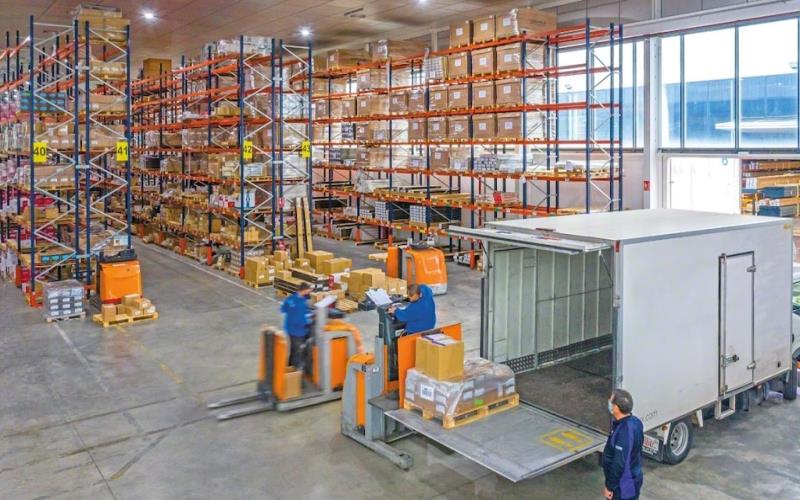
Proper warehouse layout and space utilization contribute to sustainability by reducing energy needs and improving workflow efficiency. Implementing high-density storage solutions, such as vertical racking systems, allows for better space management. This reduces the need for additional warehouse expansions, which can increase resource consumption.
A well-optimized layout also minimizes travel distances for workers and machinery, reducing fuel consumption and operational time. Warehouse managers should analyze movement patterns to identify opportunities for streamlining operations and reducing unnecessary motion.
Reducing Waste and Promoting Recycling
Waste management is a key component of any sustainability strategy. Warehouse managers should prioritize waste reduction through better inventory management, reusable packaging, and recycling initiatives. Implementing a circular economy approach—where materials are reused and repurposed—helps decrease landfill contributions and promotes sustainable resource use.
Encouraging employees to participate in recycling programs and using eco-friendly packaging materials further supports waste reduction efforts. Partnering with suppliers who provide sustainable packaging options can also make a significant difference in reducing overall environmental impact.
Sustainable Transportation and Logistics
Warehouses play a critical role in transportation and logistics, which contribute significantly to carbon emissions. Optimizing delivery routes, using fuel-efficient vehicles, and consolidating shipments can help reduce the environmental footprint of transportation operations.
The integration of warehouse automation can also improve logistics sustainability. Automated inventory tracking and order processing ensure accurate demand forecasting, reducing excess shipments and unnecessary fuel consumption. Many warehouse automation companies offer smart logistics solutions that enhance sustainability while improving overall efficiency.
Engaging Employees and Stakeholders
A successful sustainability strategy requires employee involvement and stakeholder support. Warehouse managers should educate employees on sustainability goals and encourage them to participate in eco-friendly practices. Simple initiatives, such as turning off unused equipment, reducing paper use, and adopting digital processes, can contribute to broader sustainability efforts.
Engaging with suppliers and partners who share similar sustainability commitments further strengthens a warehouse’s environmental strategy. Collaborating on sustainable supply chain initiatives, such as green procurement and responsible sourcing, enhances overall sustainability performance.
Measuring and Monitoring Sustainability Progress
Tracking and measuring sustainability efforts are essential for continuous improvement. Establishing key performance indicators (KPIs) related to energy use, waste reduction, and carbon emissions helps warehouse managers assess progress and make data-driven decisions.
Utilizing sustainability reporting tools and software can streamline data collection and analysis. Regularly reviewing performance metrics allows managers to identify areas for enhancement and ensure that sustainability goals align with broader business objectives.
Future-Proofing Warehouse Sustainability
Sustainability is an ongoing commitment that requires continuous improvement and adaptation. As regulations evolve and new technologies emerge, warehouse managers should stay informed about industry trends and innovations that support sustainability.
Investing in automation and advanced technologies will become increasingly important in maintaining a sustainable warehouse operation. By integrating smart systems and eco-friendly solutions, warehouse managers can future-proof their operations while meeting sustainability goals.
Conclusion
Building a warehouse sustainability strategy is not only beneficial for the environment but also enhances operational efficiency and long-term business success. By assessing current impacts, optimizing energy use, reducing waste, and leveraging automation technologies, warehouse managers can create a more sustainable and resilient operation. With a proactive approach to sustainability, warehouses can contribute to a greener future while achieving cost savings and improving overall productivity.
