

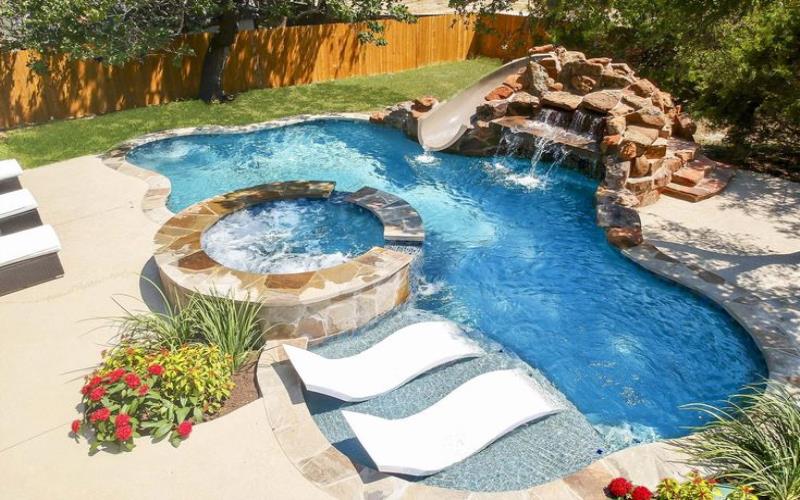
Swimming pools conjure up thoughts of sunbathing, exercise, and relaxation. But beneath the calm exterior is a world of constant upkeep and operating expenses. If you own a house and are thinking about adding a pool or already have one, knowing what factors affect swimming pool operating expenses is essential for effective planning and administration.
Initial Investment vs. Ongoing Expenses:
Installing a swimming pool entails a significant upfront investment. However, it’s the ongoing operational expenses that can catch owners off guard. These costs encompass everything from water treatment chemicals to energy consumption for heating and filtration systems.
Size and Type of Pool:
The size and type of pool greatly influence running costs. Larger pools require more water, chemicals, and energy to maintain optimal conditions. Similarly, factors like whether it’s an indoor or outdoor pool, and whether it’s heated, impact ongoing expenses.
Water Treatment and Chemicals:
Maintaining water quality is paramount for safety and enjoyment. This involves regularly testing and balancing pH levels, alkalinity, and chlorine or other sanitizers. The cost of these chemicals can add up over time, especially in larger pools or during periods of heavy usage.
Energy Consumption:
Heating and filtration systems are among the most significant contributors to swimming pool running costs. Energy-efficient equipment and practices can mitigate these expenses to some extent. However, factors such as climate, frequency of use, and desired water temperature still play crucial roles.
Seasonal Variations:
Swimming pool running costs are not static; they fluctuate throughout the year. In warmer months, higher temperatures necessitate more frequent filtration and chemical treatments to prevent algae growth and maintain water clarity. Conversely, colder seasons may see reduced usage but higher heating expenses if the pool remains operational.
Regular Maintenance:
Proper upkeep extends the life span of pool equipment and ensures efficient operation. Routine tasks such as cleaning debris, backwashing filters, and inspecting equipment for leaks or malfunctions are essential. Neglecting maintenance can lead to costly repairs and increased energy consumption.
Water Conservation:
With increasing environmental awareness, minimising water usage is becoming a priority for many pool owners. Implementing water-saving measures such as covers to reduce evaporation, investing in efficient filtration systems, and utilising rainwater harvesting techniques can lower water bills and environmental impact.
Professional Services:
While some maintenance tasks can be DIY, certain aspects may require professional expertise. Hiring technicians for equipment servicing, repairs, or specialized treatments adds to swimming pool running costs. However, timely interventions can prevent more extensive damage and expenses down the line.
Long-Term Planning:
Understanding the factors influencing swimming pool running costs allows owners to make informed decisions. Whether it’s investing in energy-efficient equipment, implementing water-saving measures, or budgeting for seasonal fluctuations, proactive management can help minimize expenses over time.
In conclusion, while the allure of a swimming pool is undeniable, it’s essential to recognize the ongoing financial commitment it entails. By considering factors such as pool size, energy consumption, maintenance practices, and water conservation efforts, owners can navigate the waters of swimming pool running costs more effectively. Ultimately, informed decision-making and proactive management are key to enjoying a pristine pool experience without breaking the bank.
Click the link below to find out more!
