

Septic tank installation is a crucial aspect of residential or commercial property development, especially in areas where municipal sewer systems are unavailable. It’s a process that demands careful planning, adherence to regulations, and professional expertise to ensure efficient waste management. In this guide, we’ll delve into the intricacies of septic tank installation, from initial considerations to the final stages of implementation.
- Preliminary Assessment: Before diving into the installation process, it’s essential to conduct a thorough site assessment. Factors such as soil composition, groundwater level, and property layout play a significant role in determining the suitability of the site for a septic system. A percolation test, commonly known as a “perc test,” is conducted to assess the soil’s ability to absorb water. This test helps determine the size and type of septic tank suitable for the property.
- Design Phase: Once the site suitability is confirmed, the next step is to design the septic system. This involves calculating the required tank capacity based on factors such as the number of occupants, water usage, and local regulations. Additionally, the layout of the drain field or leach field, where the treated wastewater will be dispersed, must be carefully planned to ensure proper drainage and environmental protection.
- Permitting and Regulations: Septic tank installation is subject to a myriad of regulations imposed by local health departments or environmental agencies. Obtaining the necessary permits and adhering to regulatory requirements is imperative to avoid legal issues and ensure the system’s compliance with health and safety standards. This may involve submitting detailed plans, undergoing inspections, and paying permit fees before commencing installation.
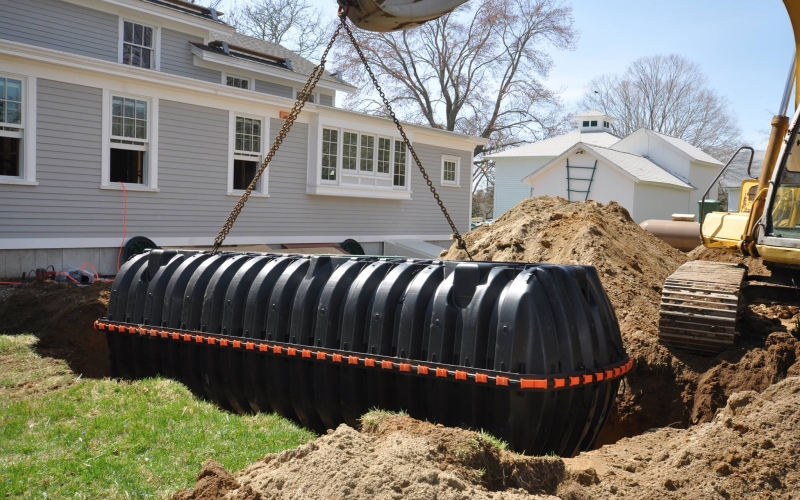
- Excavation and Installation: With the design finalized and permits acquired, the installation process can commence. Excavation is undertaken to create a pit for the septic tank and trenches for the drain field pipes. The tank is carefully lowered into place, ensuring proper alignment and levelness. The inlet and outlet pipes are connected to the tank, along with any necessary baffles or filters to prevent solids from entering the drain field.
- Backfilling and Compaction: Once the tank is in position, the excavated soil is backfilled around it, taking care not to damage the tank or its components. Proper compaction of the soil is essential to prevent settling, which could lead to structural damage or system failure. The drain field trenches are filled with gravel or other aggregate material to promote efficient drainage and prevent soil clogging.
- Final Testing and Inspection: After installation is complete, the septic system undergoes thorough testing and inspection to ensure functionality and compliance with regulations. This may include hydraulic load testing to assess the system’s capacity, as well as dye testing to check for leaks or improper drainage. Once the system passes inspection, it can be put into service.
- Ongoing Maintenance: Proper maintenance is key to prolonging the lifespan and effectiveness of a septic system. Regular pumping of the tank, monitoring of water usage, and avoiding the introduction of harmful substances into the system are essential practices for preserving its functionality and preventing costly repairs.
In conclusion, septic tank installation is a complex process that requires careful planning, adherence to regulations, and professional expertise. From site assessment and design to excavation and installation, each step plays a crucial role in ensuring the effectiveness and longevity of the system. By following proper procedures and conducting regular maintenance, property owners can enjoy reliable and efficient waste management for years to come. For more information visit OMDI
