

Innovation in the dynamic field of industrial logistics is primarily driven by two key pillars: sustainability and efficiency. Intermediate Bulk Containers (IBCs) have attracted a lot of attention among the several options that have surfaced to simplify operations and lessen environmental effect. These adaptable containers, which combine durability, convenience, and environmental friendliness, have completely changed how liquids, powders, and granular materials are stored and transported throughout a wide range of sectors.
Understanding IBC Containers
At their core, IBC containers represent a pragmatic response to the logistical challenges faced by industries dealing with bulk materials. These containers typically consist of a high-density polyethylene (HDPE) or composite exterior, reinforced by a sturdy metal cage. This design ensures both structural integrity and resilience against the rigours of handling and transportation.
One of the defining features of IBC containers is their standardised dimensions, typically conforming to either the 1000-liter or 1250-liter capacity. This uniformity facilitates compatibility with a wide range of handling equipment, such as forklifts and pallet jacks, streamlining loading and unloading processes across the supply chain.
The Versatility Advantage
IBC containers boast remarkable versatility, capable of accommodating an array of substances ranging from chemicals and solvents to food ingredients and pharmaceuticals. Their seamless integration into various industrial workflows makes them indispensable assets for businesses seeking agile and scalable storage solutions.
Moreover, IBC containers excel in scenarios where hygiene and contamination control are paramount concerns. Their non-permeable surfaces minimize the risk of cross-contamination, ensuring the integrity and purity of sensitive materials throughout storage and transit.
Eco-Efficiency at its Core
In an era defined by heightened environmental consciousness, the eco-efficiency of IBC containers emerges as a compelling value proposition. Unlike traditional single-use packaging solutions, which contribute to landfill accumulation and resource depletion, IBCs are designed for repeated use, significantly reducing waste generation and carbon footprint.
Furthermore, the recyclability of IBC components underscores their commitment to sustainability. At the end of their operational lifespan, HDPE reservoirs and metal cages can undergo recycling processes, minimising environmental impact and promoting circular economy principles.
Driving Operational Excellence
Beyond their environmental merits, IBC containers play a pivotal role in optimising operational efficiency across industrial value chains. By consolidating bulk material storage into a single, standardised format, businesses can streamline inventory management, reduce warehouse footprint, and enhance throughput capacity.
The portability and stack ability of IBC containers further enhance their utility, allowing businesses to maximize storage density and capitalize on available space. This adaptability proves particularly advantageous in contexts where storage requirements fluctuate, enabling agile response to evolving market dynamics.
Looking Ahead: Future Innovations
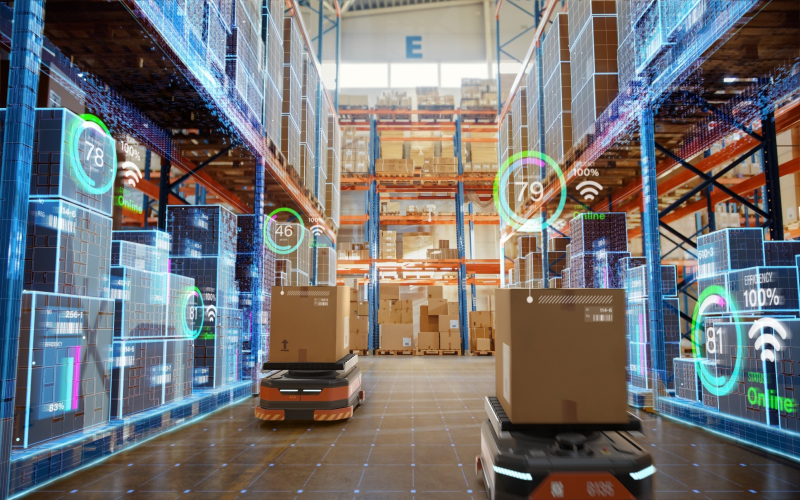
As industries continue to prioritise sustainability and operational efficiency, the evolution of IBC containers is poised to accelerate. Emerging trends such as the integration of IoT sensors for real-time monitoring and predictive maintenance promise to enhance visibility and control over containerized assets, driving further optimization and cost savings.
Additionally, advancements in material science may yield IBC designs that are lighter, yet equally robust, further reducing energy consumption and transportation costs. Collaborative efforts between industry stakeholders and regulatory bodies will play a crucial role in fostering innovation and standardisation, ensuring the continued relevance and efficacy of IBC containers in the industrial landscape.
Conclusion
In conclusion, IBC containers represent a quintessential example of innovation meeting utility in the realm of industrial logistics. Their blend of versatility, eco-efficiency, and operational excellence has positioned them as indispensable assets for businesses seeking to navigate the complexities of modern supply chains. As we embrace a future defined by sustainability and resilience, the enduring relevance of IBC containers serves as a testament to their transformative potential in shaping the industrial landscape for generations to come.
