

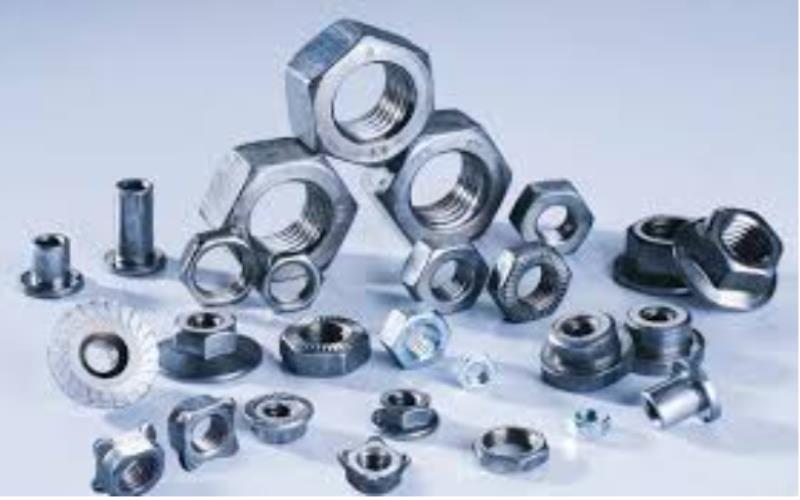
Heat-treated fasteners play a crucial role in many industries, from construction to automotive manufacturing. The process of heat treating involves heating and cooling metal fasteners in specific ways to change their properties, such as hardness, strength, and durability. This method transforms regular fasteners into components capable of withstanding extreme conditions.
Without these fasteners, many products would fall apart much quicker, and machinery would fail sooner than expected. But what makes heat-treated fasteners stand out is their ability to endure high stress and heavy loads, which regular fasteners might not withstand.
Understanding the advantages of heat-treated fasteners is crucial for anyone involved in product design or maintenance. In this article, you will learn the benefits heat-treated fasteners offer and how these components play an important role in ensuring that products function optimally and safely.
How Does Heat Treatment Improve Fastener Performance?
Heat treatment is a crucial process that uses heat and controlled cooling to enhance performance of the various types of fasteners, ensuring they can handle high stress and challenging conditions. Here are the key ways heat treatment improves fasteners’ performance.
1. Strength Enhancement
Heat treatment increases the strength of fasteners, allowing them to withstand heavy loads and stress. In industries like construction, automotive, and aerospace, fasteners must resist deformation and breakage to ensure safety and reliability. Through the hardening process, the metal becomes stronger, making fasteners more capable of handling intense pressure without failing.
2. Improved Durability and Wear Resistance
Fasteners often experience friction, pressure, and repetitive use, which can wear them down over time. Heat treatment improves their durability by hardening the surface of the metal, enabling fasteners to maintain their shape and function for longer periods. This reduces the need for frequent replacements, saving time and costs in long-term projects and heavy-duty applications.
3. Enhanced Toughness
Toughness refers to a fastener’s ability to absorb impact without breaking, and heat treatment plays a vital role in achieving this. By balancing hardness and flexibility, heat-treated fasteners become tough enough to handle sudden shocks and vibrations. This property is particularly important in dynamic environments such as engines and heavy machinery, where fasteners are subjected to constant movement and pressure.
4. Increased Corrosion Resistance
Exposure to moisture, chemicals, and extreme temperatures can lead to rust and other forms of corrosion in fasteners. Heat treatment modifies the metal’s properties to increase its resistance to these damaging effects. This makes fasteners more reliable in harsh environments, such as marine or chemical industries, where corrosion can compromise performance and safety.
5. Better Fatigue Resistance
Fatigue occurs when fasteners are repeatedly loaded and unloaded, causing small cracks to form over time. Heat treatment strengthens the internal structure of fasteners, reducing their susceptibility to fatigue. This ensures that fasteners can perform reliably in applications with repeated stress, such as rotating machinery or bridges, preventing failures that could lead to serious consequences.
6. Customization for Specific Applications
Heat treatment offers manufacturers the ability to tailor fasteners for specific uses. Some fasteners may require extreme hardness for cutting or drilling purposes, while others need flexibility to handle vibrations in machinery. By adjusting the heat treatment process, fasteners can be customized to provide the exact balance of properties needed for a particular application. This versatility makes heat-treated fasteners suitable for a wide range of industries.
What are the Common Methods of Heat-Treating Fasteners?
Heat-treating fasteners involve different methods to enhance their strength, hardness, and durability. Each method serves a specific purpose, depending on the type of fastener and its intended use. Below are the common methods of heat-treating fasteners:
- Annealing:Annealing involves heating the fastener to a high temperature and then cooling it slowly. This process softens the metal, making it easier to machine or shape. It also reduces internal stresses, improving the fastener’s ductility and toughness.
- Quenching and Tempering: This is one of the most popular methods for fasteners. First, the fastener is heated to a high temperature and then rapidly cooled, usually in water or oil (quenching). This makes the metal hard but brittle. To balance this, the fastener is reheated to a lower temperature and cooled again (tempering). This process enhances strength and toughness while reducing brittleness.
- Case Hardening: Case hardening creates a hard outer layer on the fastener while keeping the inner core softer and tougher. This is achieved by heating the fastener in a carbon-rich environment and then cooling it rapidly. Case-hardened fasteners are ideal for applications requiring a wear-resistant surface and a tough core.
- Normalizing: In normalizing, the fastener is heated to a specific temperature and then cooled in air. This process refines the grain structure of the metal, making the fastener stronger and more uniform. It is often used for fasteners that need consistent mechanical properties.
- Stress Relieving: Stress-relieving involves heating the fastener to a moderate temperature and then cooling it slowly. This method reduces internal stresses caused by machining or welding, improving the fastener’s dimensional stability and overall performance.
How do Heat-treated Fasteners Resist Wear and Tear?
Heat-treated fasteners resist wear and tear by changing the metal’s structure. This process makes the surface of the fastener harder, so it can better stand up to friction and repeated use. The hardened surface acts like a shield that protects the fastener from scratches, dents, and other damage that usually comes from constant contact or heavy loads.
The process also improves the overall strength of the fastener. When a fastener is heat-treated, its internal structure becomes more uniform and resistant to stress. This means that even if the fastener faces repeated forces, it is less likely to develop cracks or break over time. As a result, the fastener remains in good shape for longer, even in tough conditions.
Heat-treated fasteners also benefit from improved toughness. Toughness allows the fastener to absorb impacts without cracking, which is important in situations where vibrations or sudden shocks occur. By balancing hardness and toughness, the fasteners can handle both continuous wear and sudden forces without failing.
Applications Where Heat-treated Fasteners are Essential
Heat-treated fasteners are crucial in industries and applications that require strong, durable, and reliable connections. Here are some key areas where they are indispensable:
1. Construction and Infrastructure
In buildings, bridges, and other large structures, fasteners hold together heavy components like steel beams and concrete supports. Heat-treated fasteners are strong enough to handle the high loads and stresses these structures face, ensuring safety and stability over time.
2. Automotive and Aerospace Industries
Vehicles and aircraft are constantly exposed to vibrations, high speeds, and extreme conditions. Heat-treated fasteners are used in engines, frames, and other critical parts to resist wear, absorb shocks, and prevent failure under these demanding circumstances.
3. Heavy Machinery and Equipment
Machinery in industries like mining, agriculture, and manufacturing relies on fasteners to secure moving parts and withstand heavy-duty operations. Heat-treated fasteners ensure these machines function efficiently without frequent breakdowns.
4. Energy Sector
In power plants, oil rigs, and wind turbines, fasteners must endure high temperatures, pressure, and corrosion. Heat-treated fasteners are essential in these environments because they provide strength, durability, and resistance to harsh conditions.
5. Marine Applications
Ships, boats, and offshore structures require fasteners that can resist corrosion from saltwater and moisture. Heat-treated fasteners are commonly used because they are tough enough to withstand these challenges and maintain performance over time.
Conclusion
Heat-treated fasteners are a game-changer for industries that demand strength, reliability, and longevity in their fastening solutions. By enhancing properties like hardness, toughness, and corrosion resistance, these fasteners can handle demanding applications and extreme conditions with ease.
Whether securing massive structures or ensuring the smooth operation of machinery, fasteners done through the heat treatment process provide unmatched performance. Investing in them ensures durability, safety, and cost-effectiveness, making them an essential choice for modern engineering and manufacturing needs.
