

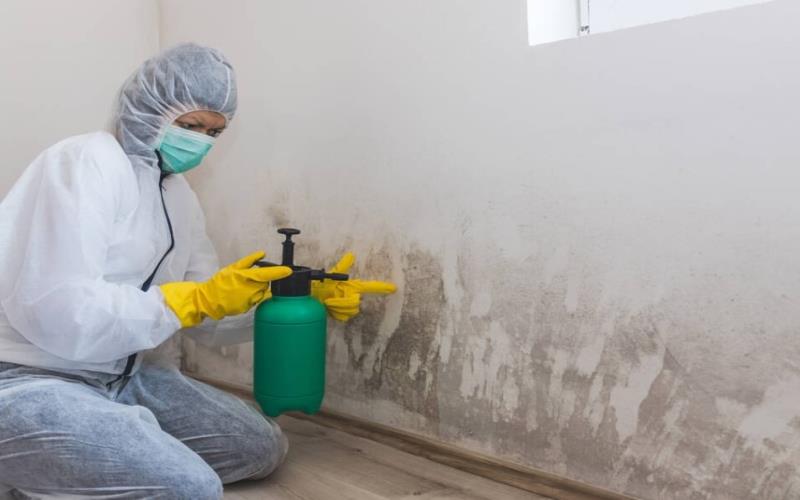
Understanding Mold: The Uninvited Houseguests
The Science Behind Mold Growth: What You Need to Know
Mold is a type of fungus that thrives in moist environments, often found in households all over the world, including Cary. To understand its growth, it’s essential to know that mold spores, which are microscopic and released into the air, can originate from a variety of sources, including soil, plants, and even indoor dust. These spores, when they land in a damp or humid area, can germinate and form colonies within 24 to 48 hours. Mold growth is significantly influenced by factors such as temperature, humidity, and the availability of organic materials which can serve as food sources, such as wood, drywall, and fabric. This means that any sustained moisture whether from a leak, high humidity, or even poor ventilation can lead to a rapid increase in mold presence in a home. Understanding the lifecycle of mold is crucial for homeowners: from spore to colonization and how it reproduces via spores, knowledge of this process equips us in the battle against mold proliferation.
Common Types of Mold Found in Cary Homes
In Cary, the humid subtropical climate creates ideal conditions for various mold types. Among the most common are *Aspergillus*, *Penicillium*, and *Stachybotrys chartarum*, commonly known as “black mold”. *Aspergillus* can appear in various colors and is typically found in areas with excessive moisture such as bathrooms and basements. It can produce allergens that are harmful to individuals with respiratory conditions. *Penicillium*, known for its characteristic blue or green appearance, often grows on spoiled food but can also thrive in damp areas within a home. This mold type poses significant health risks, including allergic reactions and respiratory issues. On the other hand, *Stachybotrys chartarum* grows on materials with a high cellulose content, such as wood and paper. It releases mycotoxins that can lead to severe health problems, particularly in children and individuals with weakened immune systems. Identifying these molds is essential, as the impact of each on health and home integrity varies directly with the type of mold present.
The Health Risks of Ignoring Mold: Why It Matters
The impact of mold on health is an area of increasing concern in Cary and reinforces the importance of prompt and effective mold removal strategies. Mold exposure can provoke allergic reactions, leading to symptoms like sneezing, coughing, and skin irritations. More alarming is the potential for respiratory issues; mold spores can become airborne and lead to conditions such as asthma or exacerbate pre-existing respiratory conditions. Prolonged exposure can contribute to chronic sinus infections and even serious lung infections, particularly in immunocompromised individuals. Furthermore, some molds produce mycotoxins that can have neurological effects, including headaches, dizziness, and even cognitive impairments if inhaled or ingested. Thus, ignoring mold is not merely a cosmetic concern but a significant health risk that can have long-lasting effects on one’s wellbeing and should be addressed promptly.
DIY Mold Removal: Tackling the Problem Head-On
Essential Supplies You’ll Need for a Mold-Free Space
Before embarking on a mold removal project, gathering the right tools and supplies is crucial for ensuring safety and effectiveness. Essential supplies include: a respirator mask to protect against inhaling mold spores, disposable gloves to keep hands safe from irritants, goggles to shield eyes, and a sturdy ladder for reaching high areas. Cleaning products should include a mixture of water and vinegar, or hydrogen peroxide, both of which are effective against many mold varieties. Additionally, a scrub brush or disposable cloths are necessary for removing mold from surfaces. For more severe infestations, a commercial-grade biocide may be warranted. It is also wise to have a spray bottle for easy application and an air purifier equipped with a HEPA filter to trap mold spores and prevent their dispersal during cleaning. Equipping yourself with these supplies not only streamlines the process but also helps safeguard your health during the endeavor.
Step-by-Step Guide for Safe Mold Removal
Removing mold effectively requires a methodical approach to ensure complete remediation while minimizing health risks. First, ensure the area is well-ventilated before starting; open windows and doors and use fans to circulate air. Next, don your protective gear, including gloves, mask, and goggles. Begin by assessing the extent of the mold infestation small patches are usually manageable, while larger infestations may necessitate the help of professionals. For small patches, spray the moldy area with the vinegar solution and let it sit for at least an hour. Afterward, scrub the affected surface with a brush and wipe with a damp cloth to remove residues. Be sure to discard any materials that cannot be thoroughly cleaned, such as porous items like cloth or insulation. Maintaining a moisture-free environment is the final step; utilize dehumidifiers and fix leaks promptly to protect your space from future infestations. This comprehensive method will yield a cleaner, healthier space.
When to Call in the Professionals: Spotting the Red Flags
While many homeowners can tackle minor mold issues, certain situations necessitate professional intervention. If mold covers a significant area, typically more than 10 square feet it’s advisable to seek expert help. Additionally, if mold is present in HVAC systems or behind walls, it can be challenging to access and remove without proper expertise. A key red flag is persistent mold growth even after seemingly adequate cleaning; this indicates an underlying moisture problem that needs addressing. If family members experience unexplained respiratory illnesses or allergic reactions that coincide with mold presence, this warrants immediate professional evaluation. Moreover, professional mold remediation services utilize specialized equipment and techniques to ensure thorough mold removal and prevention, ensuring a safer home environment for your family. Understanding when to step back and call an expert can ultimately be the best route toward a mold-free home.
Prevention Is Key: Keeping Mold at Bay
Humidity Control: The Best Practices for a Dry Home
Controlling humidity levels is paramount in preventing mold growth. Mold thrives in humid environments, so maintaining indoor humidity levels below 60% is recommended. Using a hygrometer can help monitor humidity levels while implementing dehumidifiers in damp areas like basements and bathrooms can significantly reduce moisture. Additionally, it’s crucial to use exhaust fans or open windows when cooking or showering to disperse moisture. Regular maintenance, such as cleaning gutters and ensuring proper drainage away from the foundation, can also help prevent moisture accumulation around the home. Furthermore, consider insulating doors and windows to limit condensation. By remaining vigilant and addressing humidity concerns proactively, homeowners can create an environment that is inhospitable to mold.
Ventilation Tips to Enhance Airflow and Reduce Mold Risks
Proper ventilation is essential for ensuring moisture does not stagnate and contributes to mold growth. Start by ensuring all rooms in the house, particularly those prone to moisture, have adequate airflow. Use exhaust fans in kitchens and bathrooms to expel humid air outside. Regularly clean these fans to ensure optimal performance. Opening windows when possible allows fresh air to circulate, reducing trapped humidity. Installing vents in attics and crawl spaces can also promote airflow; consider ridge vents or turbine ventilators to enhance the passage of air. Additionally, keeping furniture slightly away from walls allows for airflow, preventing mold buildup behind furniture. By investing in appropriate ventilation solutions, homeowners create a healthier living environment, significantly reducing the risk of mold proliferation.
Seasonal Mold Checklists: Preparing for Cary’s Climate Changes
In Cary, the changing seasons bring varying levels of humidity and temperatures, making it essential for homeowners to have a seasonal mold checklist. In spring and summer, focus on inspecting areas prone to moisture, such as basements, attics, and bathrooms. Ensure gutters are clear of debris to prevent water from backing up. Fall is the perfect time to check windows and doors for leaks and replace weather stripping as necessary. Winter brings cold temperatures that can lead to condensation; thus, ensure proper insulation in attics and crawl spaces to prevent warm air from meeting cold surfaces. Regularly scheduled inspections during these transitional seasons can help catch mold issues before they escalate into larger problems. Implementing a seasonal mold safety checklist establishes a routine that ensures a proactive rather than reactive approach to mold prevention, safeguarding the home year-round.
Home Remedies vs. Chemical Solutions: What Works Best?
Natural Solutions: Vinegar, Baking Soda, and More!
When it comes to mold removal in Cary, many homeowners may prefer natural solutions over chemical treatments due to health concerns and environmental considerations. Vinegar is one of the most popular natural solutions; its acetic acid has been shown to kill around 82% of mold species when used undiluted. Simply spraying undiluted vinegar onto moldy surfaces and letting it sit for an hour before scrubbing can make a noticeable difference. Baking soda is another powerhouse; it neutralizes odors and acts as a mild abrasive for mold removal. A solution of baking soda and water creates an effective paste that can be scrubbed onto moldy areas. Other natural antifungal agents, such as tea tree oil and grapefruit seed extract, have shown promise in eliminating mold. While these home remedies can be quite effective for small infestations, larger problems may require more potent solutions.
The Role of Biocides: Are They Worth It?
Biocides are chemical substances designed to kill harmful organisms such as mold. These products can be extremely effective when used correctly, but they come with their own set of concerns. While biocides can penetrate porous materials and help in situations of widespread contamination, many contain harsh chemicals that pose health risks upon inhalation or skin contact. It’s vital to choose biocides that are EPA-approved and follow the manufacturer’s instructions closely. Engaging a professional for biocide application is often recommended to ensure safety and effectiveness. Homeowners should weigh the benefits against potential risks and consider whether other solutions might suffice for smaller infestations. While biocides can be a powerful tool in serious mold cases, understanding their use is critical to ensuring that their application does not cause more harm than good.
Understanding Label Claims: Choosing Safe and Effective Products
When selecting mold removal products, understanding label claims is essential to ensure you are using safe and effective solutions. The term “mold killer” can be misleading; in reality, effective products should not only kill surface mold but also inhibit future growth. Look for products featuring “EPA-registered” labels, which signify that they meet safety standards. Terms like “non-toxic” and “biodegradable” indicate more environmentally friendly options, though it is vital to research the specific ingredients used in these products. Always read user reviews and check the product’s efficacy in real-world scenarios. Additionally, understanding the differences between disinfectants, cleansers, and biocides can help streamline your choice based on the extent of your mold problem. Empowering yourself with this knowledge will navigate the myriad options available and select the right solution for effective mold removal.
